

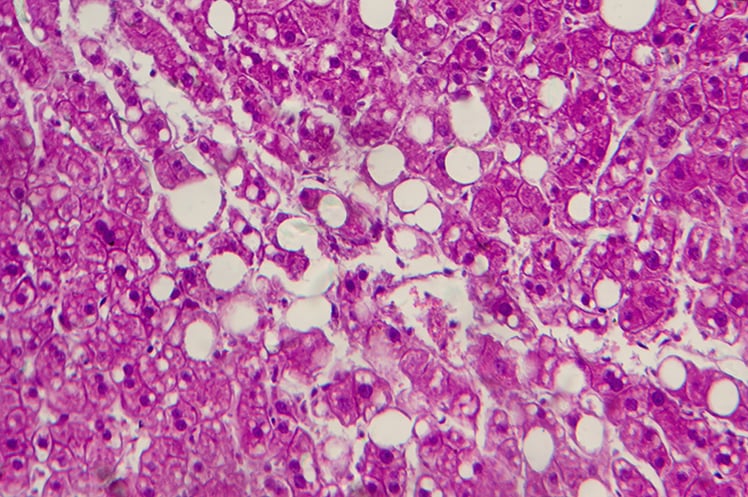
Decoding MASH Models: How Dietary Composition Shapes Preclinical Phenotypes
Join us for an in-depth look at four primary dietary models of MASH and their translational relevance to human disease.
Diets to Induce Metabolic Associated Steatohepatitis and Their Translatability to Humans
Presented by Lauren Brizgys, PhD, Teklad Nutritionist
Tuesday, November 10, 2026
11 am–12 pm EST
About the Session
As MASLD and MASH continue to rise globally—with U.S. prevalence projected to approach 30% by 2030—advances in preclinical research rely heavily on the accuracy and relevance of disease models.
What You Will Learn
-
A Comparative Breakdown: Deep dive into four key dietary models—the Western diet (42% kcal from fat), FPC (fat, palmitic acid, and cholesterol), GAN (high palm oil and fructose), and MCD (methionine- and choline-deficient).
-
Component Impact: Discover how specific ingredients influence the development, severity, and progression timeline of MASH phenotypes.
-
Translational Relevance: Explore the GAN diet as a model with robust translational alignment to key features of human MASH.
Complete the form to explore how specific ingredients shape disease severity, understand the timelines required for phenotype emergence, and examine which type of diet serves as a highly translationally relevant model for human MASH.
Visit our advanced hepatic research page for more information on how Inotiv can provide additional models and services to expedite drug development.