

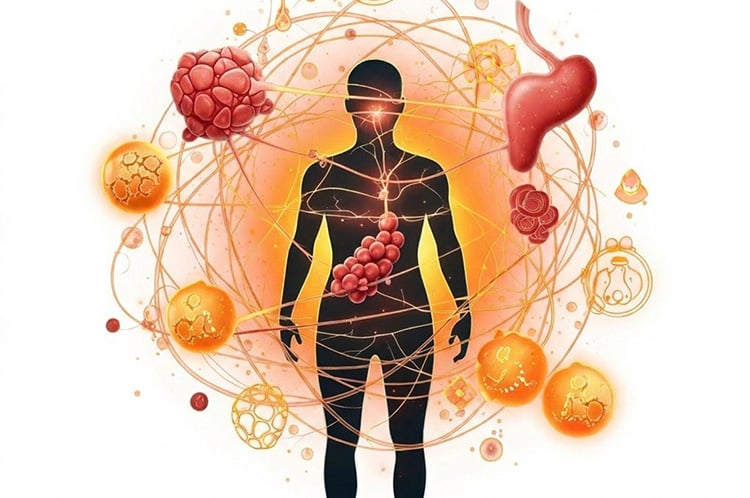
Go beyond traditional obesity research endpoints.
Obesity is a complex, systems-wide disease that drives molecular changes across multiple tissues. While traditional endpoints such as body weight, glucose tolerance, and insulin sensitivity provide important measures of disease progression and therapeutic efficacy, they may not fully capture the biological mechanisms underlying obesity and treatment response.
In this on-demand webinar, Inotiv's scientists, Dr. Crystal West and Dr. Joshua Justice, explore how our diet-induced obesity (DIO) model can be leveraged alongside integrated proteomics, pathology, and metabolic assessment capabilities to generate deeper insight into obesity biology.
Using systems-scale molecular profiling, the team demonstrates how obesity drives metabolic reprogramming across tissues and how incretin therapies influence molecular pathways associated with disease progression and therapeutic response.
Watch this webinar to learn how:
-
Inotiv's DIO model recapitulates key metabolic and molecular features of human obesity
-
Integrated proteomic analyses reveal obesity-driven changes across skeletal muscle and other tissues
-
Incretin therapies influence metabolic, mitochondrial, and muscle-related pathways
-
Combining translational animal models with advanced molecular characterization can provide deeper insight into obesity research and drug development
Whether you are evaluating obesity therapeutics, investigating mechanisms of action, or seeking more translational approaches to metabolic disease research, this webinar highlights how integrated research capabilities can help uncover insights beyond traditional efficacy endpoints.
Complete the form to access the on-demand webinar.