

Diet-Induced Obesity Mouse Model Characterization
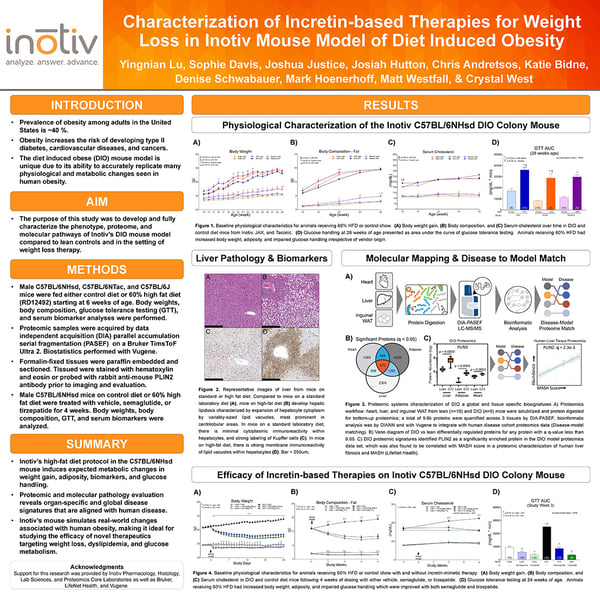
As the landscape of obesity therapeutics continues to expand, researchers require well-characterized preclinical models capable of reliably detecting therapeutic efficacy. This scientific poster presents comprehensive characterization of Inotiv’s C57BL/6NHsd diet-induced obesity (DIO) mouse model, highlighting physiological, pathological, and molecular outcomes that support its use in obesity and metabolic disease drug development.
Developed using a high-fat diet paradigm, the DIO mouse reproduces key hallmarks of human metabolic disease, including increased adiposity, impaired glucose handling, and dysregulated lipid metabolism. Integrated analyses demonstrate consistent disease phenotypes alongside molecular signatures aligned with human obesity biology, supporting translational confidence during therapeutic evaluation.
Poster Highlights
- Physiological characterization of Inotiv’s DIO mouse model under high-fat diet conditions
- Metabolic and biomarker profiling relevant to human obesity
- Liver pathology associated with metabolic dysfunction
- Proteomic disease-model mapping across tissues
- Demonstrated responsiveness supporting therapeutic efficacy assessment
By combining system-level biology with reproducible metabolic endpoints, this model enables researchers to evaluate emerging therapies targeting weight loss, glucose regulation, and cardiometabolic disease pathways.
Download the Scientific Poster to access full study design, datasets, and translational insights supporting obesity drug discovery and preclinical efficacy testing.